Etimologjia e fjalës Ande është debatuar. Konsensusi i shumicës është se ai rrjedh nga fjala Keçua anti "lindje" si në Antisuyu (Keçua për "rajonin lindor"), një nga katër rajonet e Perandorisë Inka.
Etimologjia:
ANDE=
AN DE=
AN DA=A>E
AN DA me shqipen e vjetër dhe lindje me shqipen moderne.
Koncepti i gjuhës së parë:
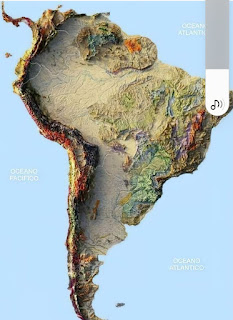
Andet, malet e Andeve ose vargmali i maleve të Andeve janë vargmali më i gjatë kontinental në botë, duke formuar një malësi të vazhdueshme përgjatë anës perëndimore të Amerikës së Jugut duke u shtrirë drejt ne anë te kontinentit nga Jugu në Veri përmes shtatë vendeve të Amerikës së Jugut: Argjentinë, Kili, Bolivia, Peruja, Ekuador, Kolumbia dhe Venezuela.
A ka ardh nga *lindje (an e djellit=an de) apo nga "an nda", "ndarja në anë" gjuhëtarët e sotëm nuk mund ta kuptojnë. Gjuha te paktën 20 mijëvjeçare e kupton këte, gjuha shqipe.
Duke u fokusuar në aspektet filozofike dhe gjuhësore të gjuhës shqipe, duke eksploruar rrënjët e saj të lashta, etimologjinë dhe lidhjet e mundshme me gjuhët dhe kulturat e tjera perfundimi im eshte qe gjuha shqipe eshte nje Arkeologji gjuhësore që zbulon shtresa të fshehura kuptimi dhe lidhjeje me gjuhën e parë njerezore.
Gjuha shqipe mban modelet e mendimit njerëzor dhe shkëmbimin e lashtë gjuhësor dhe migrimin ne fund te periudhës akullnajore te popujve qe flisnin gjuhen e parë njerezore.
Etimologjia:
ANDE=
AN DE=
AN DA=A>E
AN DA me shqipen e vjetër dhe lindje me shqipen moderne.
Koncepti i gjuhës së parë:
Andet, malet e Andeve ose vargmali i maleve të Andeve janë vargmali më i gjatë kontinental në botë, duke formuar një malësi të vazhdueshme përgjatë anës perëndimore të Amerikës së Jugut duke u shtrirë drejt ne anë te kontinentit nga Jugu në Veri përmes shtatë vendeve të Amerikës së Jugut: Argjentinë, Kili, Bolivia, Peruja, Ekuador, Kolumbia dhe Venezuela.
A ka ardh nga *lindje (an e djellit=an de) apo nga "an nda", "ndarja në anë" gjuhëtarët e sotëm nuk mund ta kuptojnë. Gjuha te paktën 20 mijëvjeçare e kupton këte, gjuha shqipe.
Duke u fokusuar në aspektet filozofike dhe gjuhësore të gjuhës shqipe, duke eksploruar rrënjët e saj të lashta, etimologjinë dhe lidhjet e mundshme me gjuhët dhe kulturat e tjera perfundimi im eshte qe gjuha shqipe eshte nje Arkeologji gjuhësore që zbulon shtresa të fshehura kuptimi dhe lidhjeje me gjuhën e parë njerezore.
Gjuha shqipe mban modelet e mendimit njerëzor dhe shkëmbimin e lashtë gjuhësor dhe migrimin ne fund te periudhës akullnajore te popujve qe flisnin gjuhen e parë njerezore.
Copyright © 2024 Fatmir Iliazi

Comments
Post a Comment